

Question:
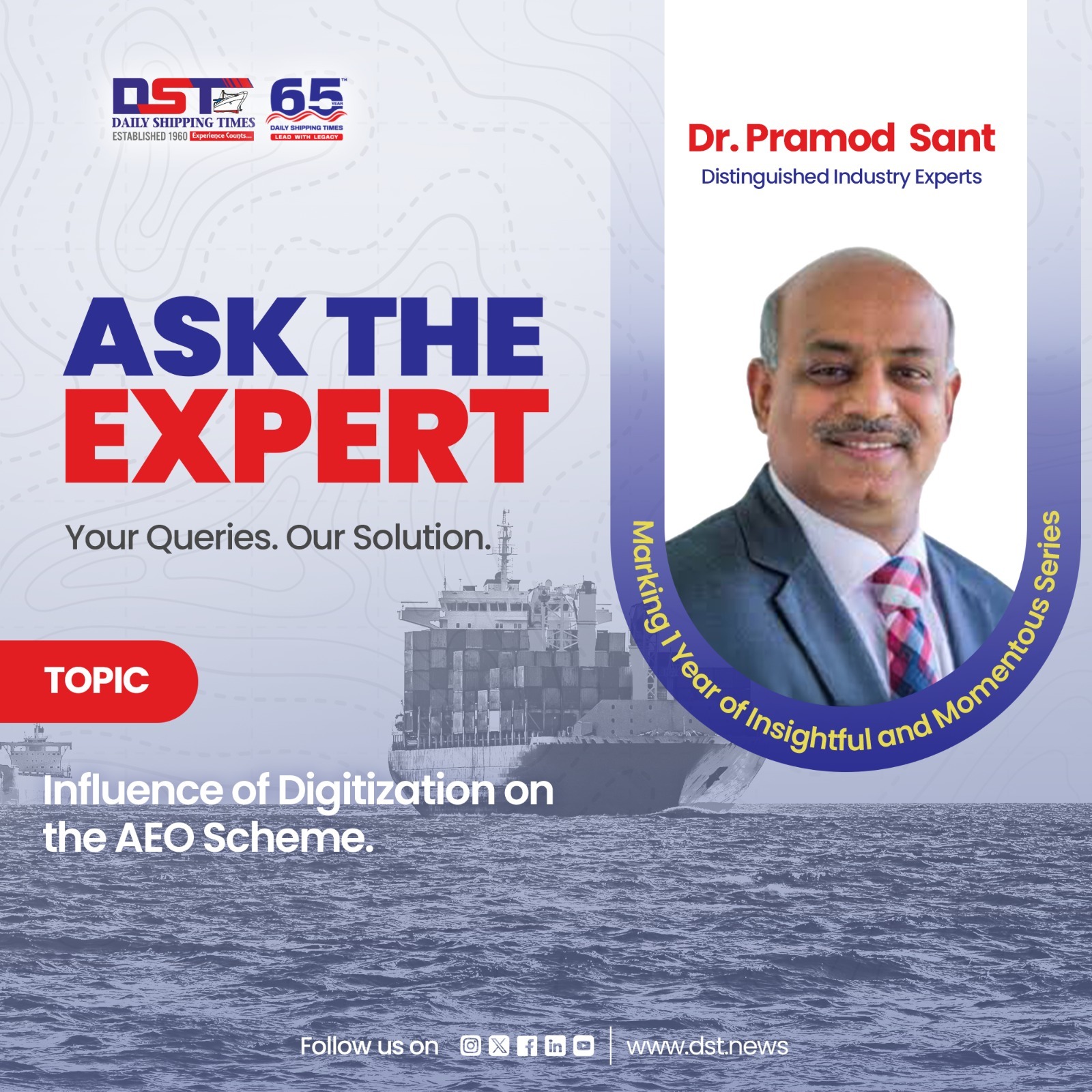
We are AEO Tier 3 status holder company, last 3 years we are enjoying benefits under scheme including differed duty, BG waiver, MEA etc. We have observed that Benefits under AEO are not undergone any changes for 2016, on the contrary some of benefits are now not existing as Digitization and digitalization have changed basic process. What is future of AEO scheme? can you give what can be expected?
Solution:
I am delighted to receive your query and truly encouraged by your interest in understanding the changes, new benefits, and future direction of the AEO scheme.
We first need to understand global background in details .
Background
The Authorized Economic Operator (AEO) program is an internationally recognized initiative that certifies businesses involved in the international movement of goods as secure and reliable partners in the supply chain. The World Customs Organization (WCO) introduced the AEO program in 2007 as part of its SAFE Framework of Standards to enhance global trade security and facilitation.
WCO developed draft concept paper 2.0 in 2019 and this was followed by The 5th WCO Global AEO Conference under the theme “AEO 2.0: advancing towards new horizons for sustainable and secure trade”, held in May 2021 hosted virtually by Dubai Customs to re-establish the importance of Authorized Economic Operator (AEO) programmes and helping to shape the vision of AEO 2.0.
What are challenges in present AEO Program and why AEO 2.0 is Required
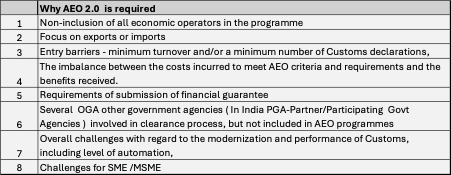
What is AEO 2.0?
AEO is based on WCO SAFE Framework of Standards 3 pillars

There are changes in each Piller, below given are some considerations and expectations.

AEO 2.0 Benefits
AEO 2.0 offers a range of benefits aimed at enhancing global trade facilitation and security. It emphasizes the harmonization of application, validation, and authorization processes through advanced technology, making systems more streamlined and consistent across borders. The program expands to include e-commerce operators and new economic entities, reflecting evolving trade dynamics. It prioritizes digitalization and contactless systems for improved efficiency and security, while fostering coordinated border management through collaboration with other government agencies and Customs-Post partnerships. Strengthened partnerships and mutual recognition agreements (MRAs) build trust and facilitate seamless trade. Additionally, AEO 2.0 focuses on capacity building to ensure Customs and private sector staff possess the necessary skills to adapt and thrive. These advancements contribute to more resilient, sustainable supply chains and expedite post-pandemic recovery, reinforcing the WCO SAFE Framework as a cornerstone of secure and efficient global trade.
Note :- presently AEO 2.0 is at discussions and deliberation stage and there is no schedule or time lines for implementation.


You cannot copy content of this page