

NEW DELHI : The Ministry of Shipping is in discussion with five international shipping lines for a dedicated service between the Port of Chennai in Tamil Nadu and the Free Port of Vladivostok in Russia, as part of the bilateral discussions between the two countries for an Eastern Maritime Corridor, multiple officials aware of the discussions told.
“We are in discussion with international and Indian shipping lines for a dedicated service between Chennai and Russia through the eastern route,” a senior Government official said.
He added that as part of the ongoing discussions, multiple shipping lines have submitted proposals asking for priority docking rights and subsidies to set up a dedicated line.
The proposed shipping line is expected to reduce the distance between India and Russia from the current 8,675 nautical miles to around 5,600 nautical miles, a second Government official said.
“At present, the two (Russia & India) are linked through the European route, and goods take an average of 40 days to reach their destination. The proposed maritime route will ship goods from Chennai Port to Vladivostok in 24 days,” the official said.
Last year Russia offered India “leasing and building large-capacity ships” as insurance on Russian oil amid the G7 price cap on its energy purchases.
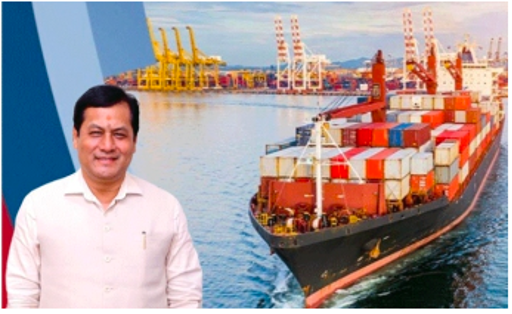
On September 25, Minister of Ports, Shipping, and Waterways, Shri Sarbananda Sonowal, told that the Eastern Maritime Corridor (EMC) connecting Vladivostok to Chennai is in the works.
“We are organising a workshop in Chennai in October-end for the EMC. Russian stakeholders and business houses will also participate and the workshop will be dedicated to activate this trade route. Such deliberations and consultations will help build a roadmap for future course of action,” Sonowal told.
The discussions held between Sarbananda Sonowal for India and A O Chekunkov, Minister of the Russian Federation for the Development of the Far East and the Arctic, covered a wide spectrum of maritime connectivity issues, underlining the growing importance of maritime cooperation between the two nations.
The corridor will allow India to have a presence in the South China Sea through a trade route that is primarily aimed at the speedy transportation of coking coal.


You cannot copy content of this page