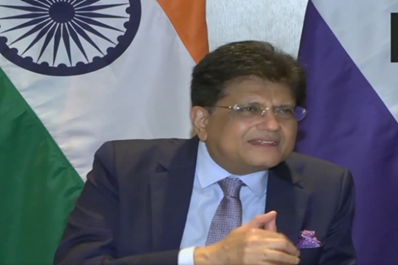
NEW DELHI: Shri Piyush Goyal, the Commerce and Industry Minister on Tuesday said that the intention of the EU’s Carbon Border Adjustment Mechanism (CBAM) is not to create a barrier to trade and the two sides are engaged to “find the right solutions” for it.
Addressing the media after the first India-EU Trade and Technology Council meeting in Brussels, he also said that India has to keep tariffs high on many products at times to compete with certain geographies which are “very non-transparent” a
Addressing the media on Tuesday after the first India-EU Trade and Technology Council meeting in Brussels, he also said India has to keep its customs duties high on many products at times to compete with certain geographies which are “very non-transparent” and the developed countries face the “unintended consequence of the high tariffs”.
Goyal said that the CBAM (carbon border adjustment mechanism) is the mechanism that the EU has proposed and India remains engaged with the EU on that.
“I am sure that the intention is not to create barrier to trade but to find a way forward so that sustainability is as much a part of our collective efforts to leave behind a better planet for the next generation… we remain engaged and we are discussing the issue and we have a long time ahead of us within which we’ll be working together to find the right solutions to this,” he said.
The mechanism, which is due to kick in from October, will impact India’s steel and aluminium exports.
When asked about the allegations that India’s duties are high, Goyal said that India’s tariffs are “very often” misconstrued to be high on most items of raw material or intermediates.
“We are generally very low on duty. On many items of technology, many items which are helping the Indian economy grow, we have kept the duties very low… the actual applied rates are much lower than what was agreed to at the WTO as bound rates,” he said.