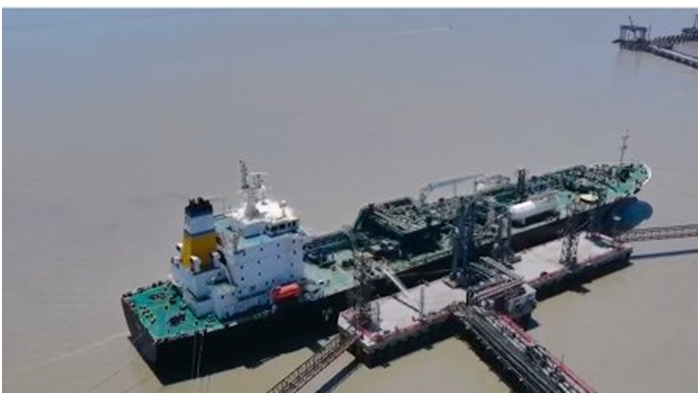
The island of Great Nicobar is located 180 km (110 mi) to the north of Sumatra. The south most point is now called ‘Indira Point’. In the past it was referred to as ‘India Point’ or ‘Pygmalion Point’. All ships passing through the Malacca straits have to pass this, making this a great vantage point for shipping and trading. PM’s assertions of building a transshipment port at a cost of 10,000 Crores is a worthy proposition. It has the locational advantage. This point is also important from a military point of view. However, for reasons best known to the policy makers, this option of making it a commercial port was never mooted. It’s never too late.
This place can serve as a backup to Singapore or Port Klang. In addition to transshipment, bunkering, crew changes, repairs, supplies, and even drydocks can be offered. That would create new business opportunities and new jobs. In fact, the idea of making it an entrepot along with a normal transshipment hub would be even more enticing. In an entrepot cargo could be imported, stored, and re-exported back with ease, without the need to pay duties. The idea simply is great. However, there are holes to plug. Our Government’s push to make Cochin a transshipment port has failed. We must understand the reasons. Our port costs are exorbitantly and unrealistically high. Even the port authorities’ role as landlords while pushing private operators to compete has made it more costly, due to the exorbitant rents to be paid back by the operators. The highest bidder gets the cake. This principle has made our terminals predatory and rent seeking. Add to that, the typical Indian red tape. The authorities go by the letters of the rules rather than the spirit of the principles. Attempts to simplify transhipment rules made them even more complex and opaque. As an example, the rule to allow foreign flag vessels to carry transhipment cargo destined to Indian ports was so hyped that the industry outside started celebrating prematurely. Later it was realised that the restrictions were so severe that it is almost impossible to do any free transhipment on foreign bottoms. The world outside does not trust us for these dichotomies. At times we make the right noise and execute the wrong action. For goods that come from foreign ports and are transhipped to foreign ports, our customs regulations of manifestation are so elaborate and strict that we can not compete with ports freer ones like Port Klang, Singapore, Jebel Ali, or Colombo.
We must do three things to succeed in making any of our ports a successful transshipment port. One - Ask Port Authorities to act as benign facilitators without being greedy. Two - Simplify our transshipment regulations further to world standards. Three - Implement the regulations by their spirits, instead of twisting the interpretations of the letters to harass the users. If these three factors are meticulously implemented, Great Nicobar could be the jewel of the nation.